Technical Deep Dive
How Salt Spray and Corrosive Gases Destroy Touch Electrodes in Coastal Areas, Chemical Plants, and Car Washes
A newly installed outdoor touchscreen that drifts or dies within a year is often not a quality issue — it is chloride-driven salt spray corrosion of the electrodes.
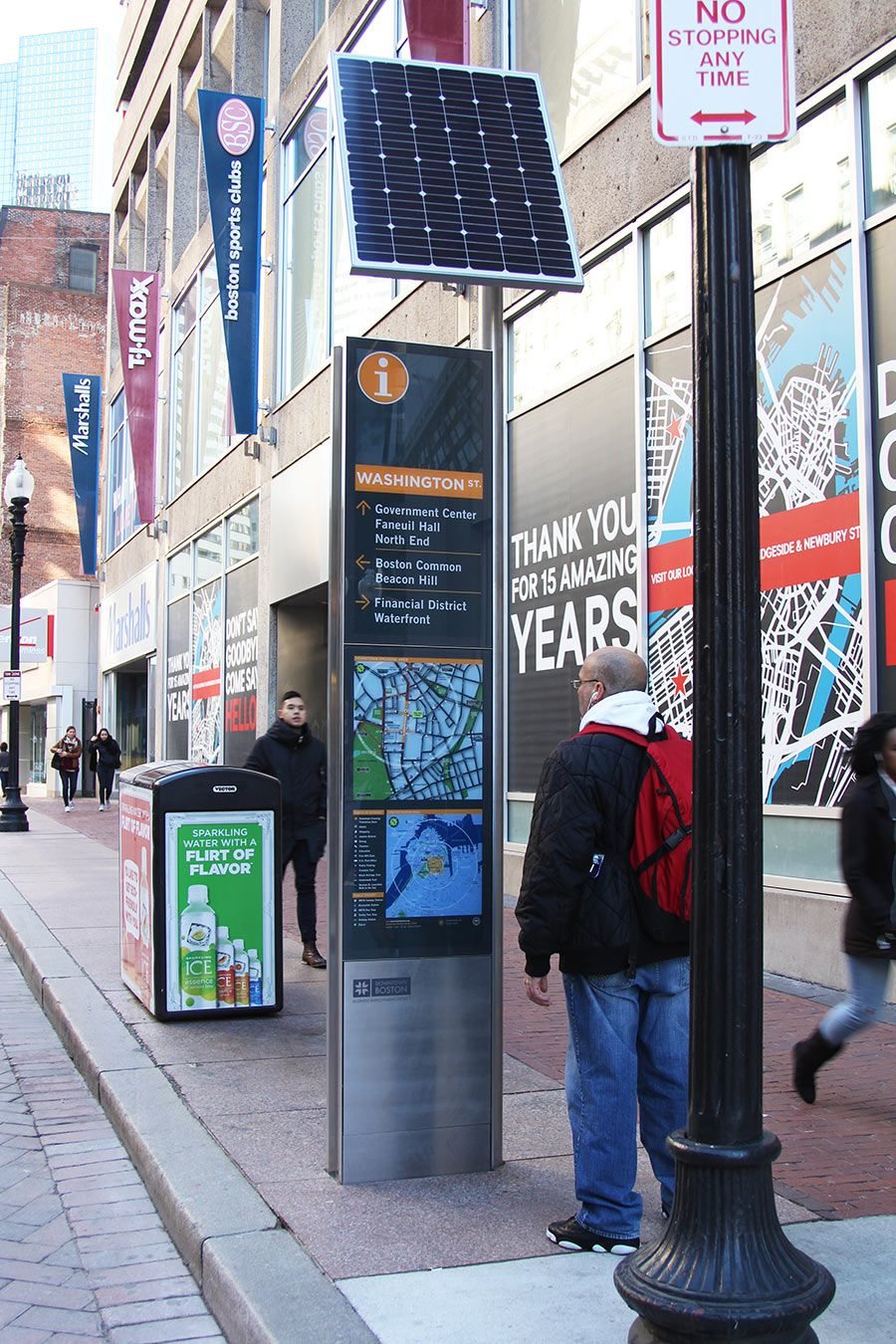
In coastal regions, chemical industrial parks, and car wash facilities, outdoor touchscreen salt spray corrosion has become one of the most persistent challenges facing equipment operators and system integrators. Many customers report that a newly installed touchscreen begins to drift, malfunction, or even fail completely within six months to a year of deployment. In most cases, the root cause is not poor screen quality — it is the often-overlooked risk of outdoor touchscreen salt spray corrosion. In this article, we walk through the underlying mechanisms and explain how proper engineering can prevent it.
Why Coastal Areas, Chemical Plants, and Car Washes Are High-Risk Environments
Although these three environments appear very different, they all generate the same underlying threat: high concentrations of chloride ions and corrosive gases.
- Coastal regions. Sea breezes carry airborne salt particles, keeping ambient chloride ion concentrations elevated year-round, with equipment exposed to salt mist 24 hours a day.
- Chemical plants. Acidic and alkaline volatile gases (such as sulfides and chlorine derivatives) accelerate the electrochemical corrosion of metal components and conductive coatings.
- Car wash facilities. High-pressure water jets and atomized cleaning agents create moisture and chemical residue that can penetrate screen seams, producing corrosive effects similar to salt spray.
This is precisely why outdoor touchscreen salt spray corrosion is discussed as a single category across all three scenarios — the underlying failure mechanism is fundamentally the same.
How Salt Spray Corrosion Gradually Destroys Touch Electrodes
Understanding the failure pathway is essential to designing an effective countermeasure:
- Chloride ions penetrate the oxide layer. Chloride ions in salt spray are highly penetrative and can break through the natural oxide protective layer on metal surfaces, making direct contact with the conductive material underneath.
- Electrochemical reactions damage the electrodes. Once chloride ions reach the ITO conductive film or metal traces, an electrochemical reaction occurs, producing micro-cracks, broken traces, and oxidative discoloration.
- Conductivity declines and touch response drifts. As the electrodes degrade, capacitance values shift, resulting in unresponsive touch points, positional drift, and false multi-touch triggers.
- Seal failure allows corrosive gases to enter. If the bezel sealing process is inadequate, moisture from salt spray and chemical gases seeps into the internal circuitry, corroding connectors and FPC ribbon cables.
- Metal housings rust and mechanical structures loosen. Bezels, screws, and mounting brackets exposed to prolonged salt spray will rust and expand, further compromising the unit's sealing integrity and accelerating the entire failure cycle.
As this sequence shows, outdoor touchscreen salt spray corrosion is rarely a one-time failure — it is a cumulative, progressive process. What begins as occasional unresponsiveness can, without proper protection, ultimately render the entire touch module unusable.
How KoreTouch Engineers Against Salt Spray Corrosion
Based on extensive study of the mechanisms behind outdoor touchscreen salt spray corrosion, KoreTouch has built a comprehensive protection strategy across three dimensions: materials, structural design, and manufacturing process.
1. Corrosion-resistant electrode materials and coating processes. To counter the damage that salt spray and chemical gases inflict on conductive layers, KoreTouch selects oxidation-resistant, chemically stable conductive materials for its electrode design, combined with reinforced surface coating processes. This approach reduces the impact on electrode conductivity at the source and extends the operational stability of the touch panel over time.
2. Fully sealed structural design. To withstand both high-pressure water exposure (car wash environments) and persistent moisture infiltration (coastal environments), KoreTouch's outdoor touchscreens are engineered with high-grade sealing structures — including multi-layer gaskets, waterproof adhesive strips, and precision-bonded assembly — to effectively block the entry pathways for moisture, salt particles, and corrosive gases.
3. Stainless steel and anodized housings. The corrosion resistance of a metal enclosure directly determines the unit's service life in salt-laden environments. KoreTouch prioritizes stainless steel or anodized aluminum alloy housings, paired with rust-resistant fasteners, significantly reducing the risk of bezel and structural corrosion.
4. Customized weather-resistant solutions. Requirements vary significantly across applications — port equipment, chemical park information terminals, and self-service car wash control panels each demand different levels of environmental protection. KoreTouch offers customized protection solutions tailored to specific deployment environments, helping customers mitigate long-term maintenance costs from the design phase onward.
Warning Signs That Your Touchscreen Is Already Affected
If your outdoor touchscreen exhibits any of the following symptoms, it may already be suffering from salt spray corrosion and should be inspected or replaced promptly:
- Slow, inaccurate, or drifting touch response
- Rust spots or white powdery corrosion on the bezel or screws
- Fogging or discoloration around the screen edges
- Intermittent touch failures, particularly in humid weather
- Green oxidation (verdigris) at connector contact points
Any of these signs indicates that your equipment is actively experiencing outdoor touchscreen salt spray corrosion — and the sooner it is addressed, the smaller the eventual cost.
Conclusion
Whether deployed at a coastal port, a chemical industrial park, or a high-frequency car wash facility, outdoor touchscreen salt spray corrosion remains one of the most critical long-term challenges in outdoor touch display deployment. Choosing a touchscreen solution specifically engineered — in materials, structure, and manufacturing — to resist salt spray and corrosive gases is the key to reducing failure rates, extending service life, and lowering total maintenance costs.
If you are currently selecting an outdoor touchscreen for your project, or if your existing equipment is already showing signs of corrosion, we invite you to contact the KoreTouch team. Our engineers can provide tailored anti-corrosion solutions and selection guidance for your industrial display or panel PC, including optical bonding and sealed enclosure design for coastal, chemical industrial, or car wash sites.
Contact us: sales@koretouch.com
We look forward to helping you build a more durable and reliable outdoor touch solution.