Material science & integration
Optical Bonding: Enhancing Visual Integrity through Material Science
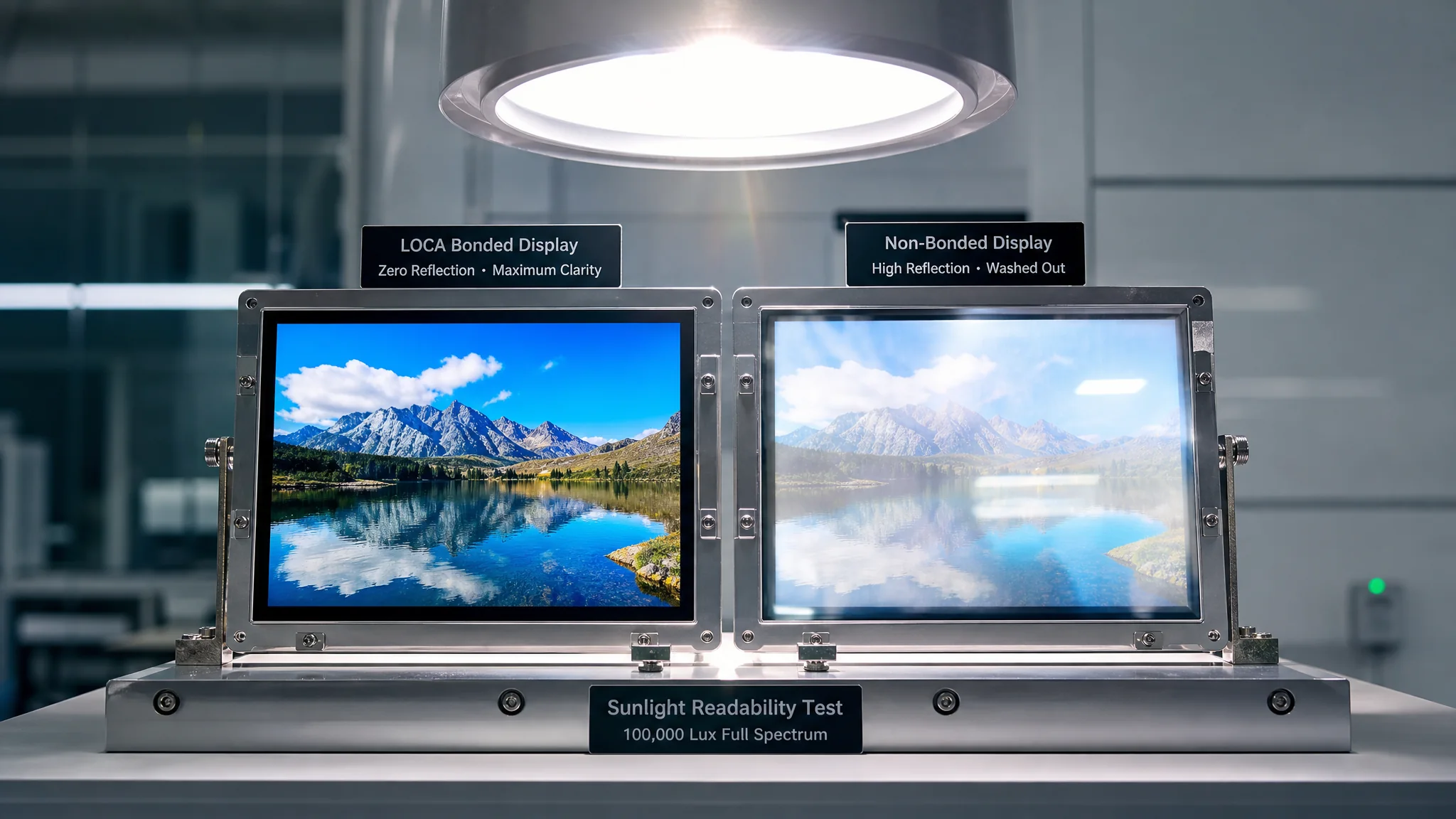
We eliminate the internal air gap between the LCD and cover glass using precision-engineered LOCA technology. By integrating high-performance chemical bonding with automated manufacturing, we deliver displays optimized for sunlight readability and long-term structural stability in demanding industrial environments.
Material excellence
High-Performance Chemical Bonding: Featuring WACKER Silicone LOCA
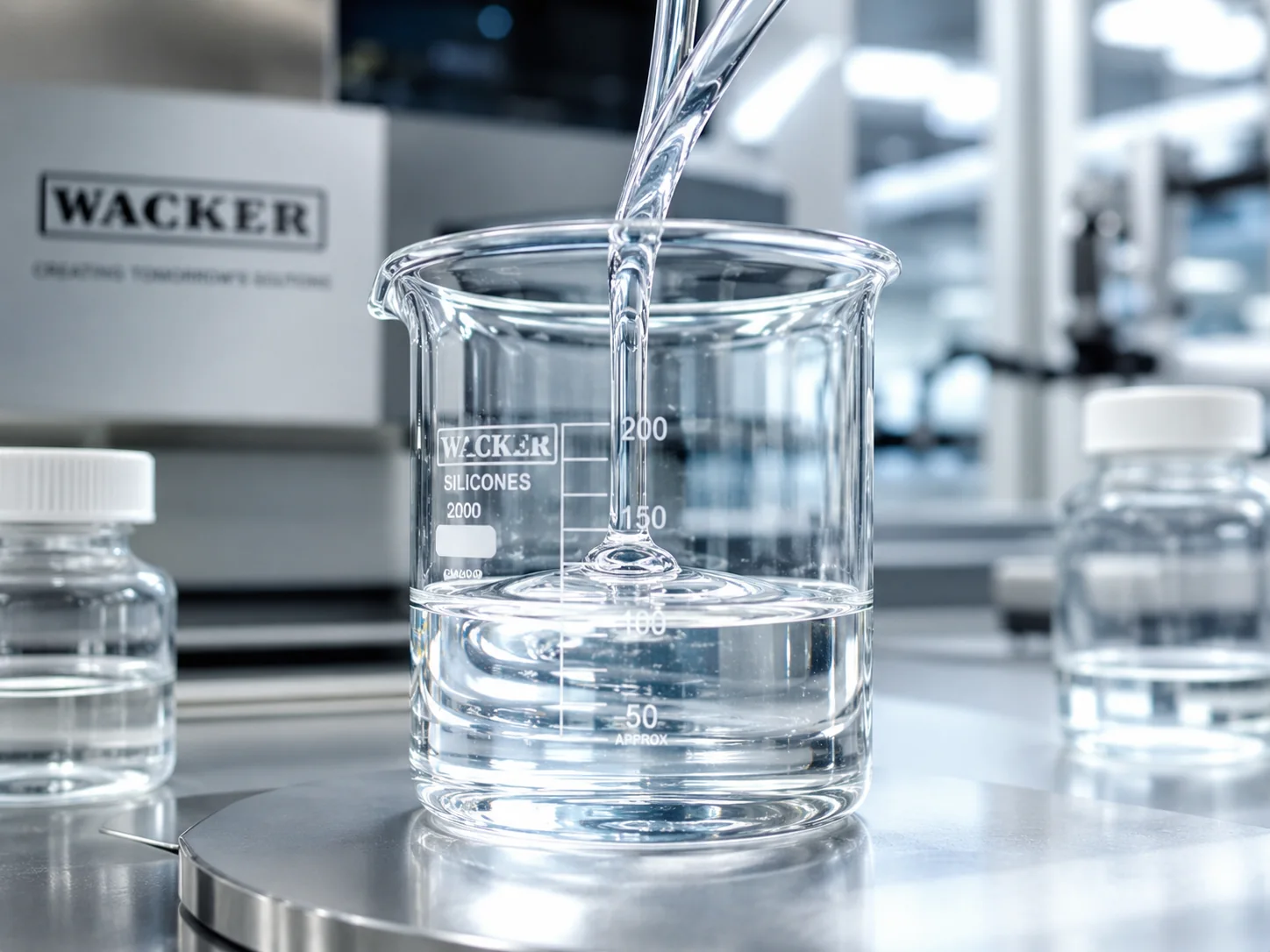
We exclusively utilize Liquid Optical Clear Adhesive (LOCA) from WACKER Chemie AG (Germany). Unlike standard acrylic resins, WACKER's specialized silicone-based chemistry provides a stable, low-stress bond that maintains peak optical clarity for over a decade. Its superior thermal stability and UV resistance ensure that the display remains free from yellowing, delamination, or bubble formation, even when exposed to extreme temperature fluctuations or direct solar radiation.
The science
Physics of Refraction: Stabilizing Contrast in High-Ambient Light
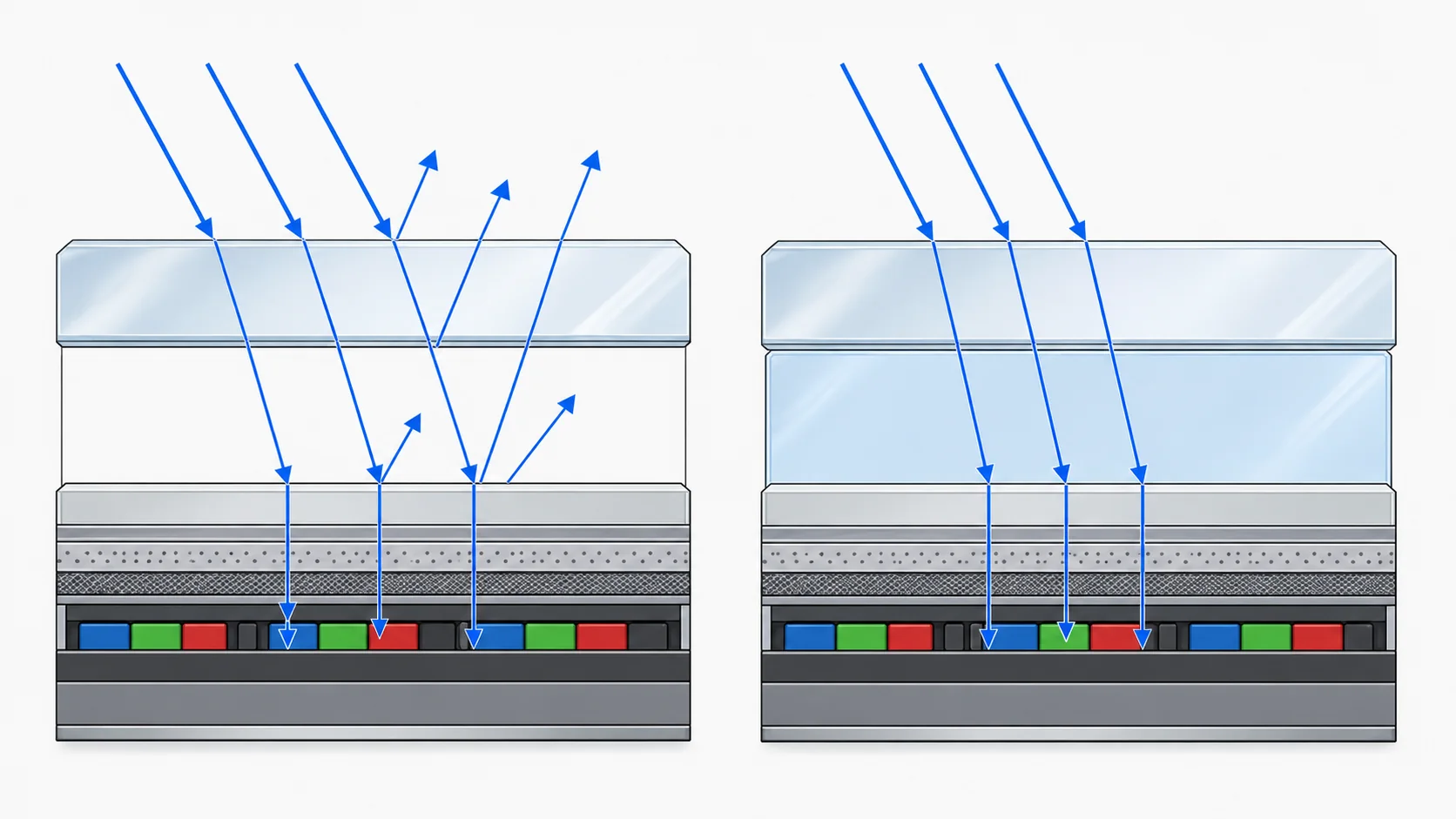
Air-bonding creates a refractive index mismatch between glass (n ≈ 1.5) and air (n = 1.0), causing approximately 4% reflection at each interface. This total 8% reflection washes out image contrast. By injecting WACKER LOCA (n ≈ 1.41–1.51), we match the refractive indices to reduce internal reflections to less than 0.2%. This allows the display to maintain deep blacks and sharp color saturation in outdoor or brightly lit industrial settings.
Eight-stage process
High-Performance Optical Bonding: Engineered Process
Eliminating the air gap via our 8-stage sealing and curing process to effectively improve visual performance, impact resistance, and long-term thermal management in demanding environments.
-
Step 1
TP/LCM Inspection
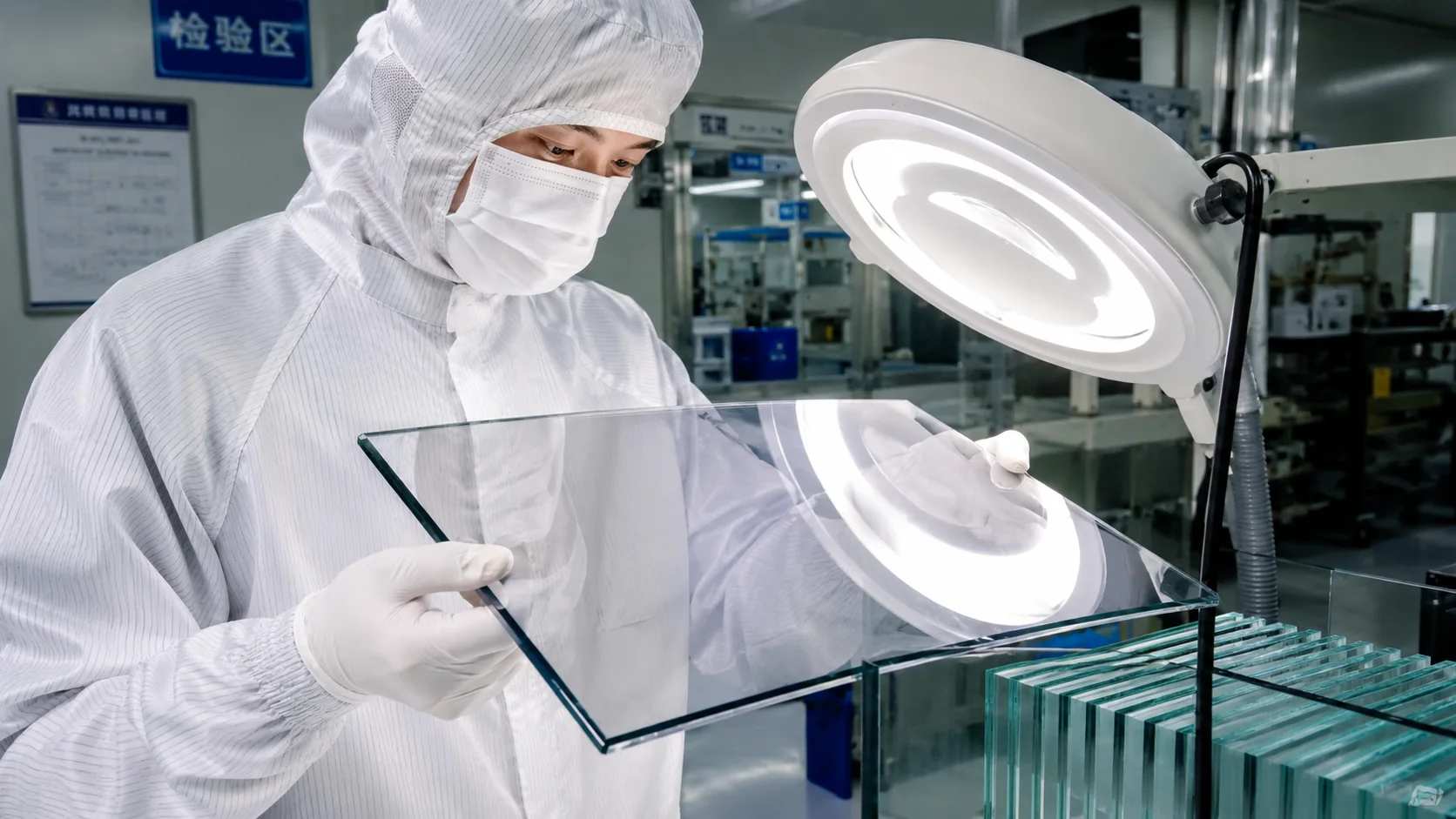
Rigorous input quality control of both LCM and TP. LCM Inspection checks for foreign objects, screen scratches, dead pixels, or color abnormalities under illumination. TP Inspection verifies surface integrity and flex cable condition.
-
 Step 2
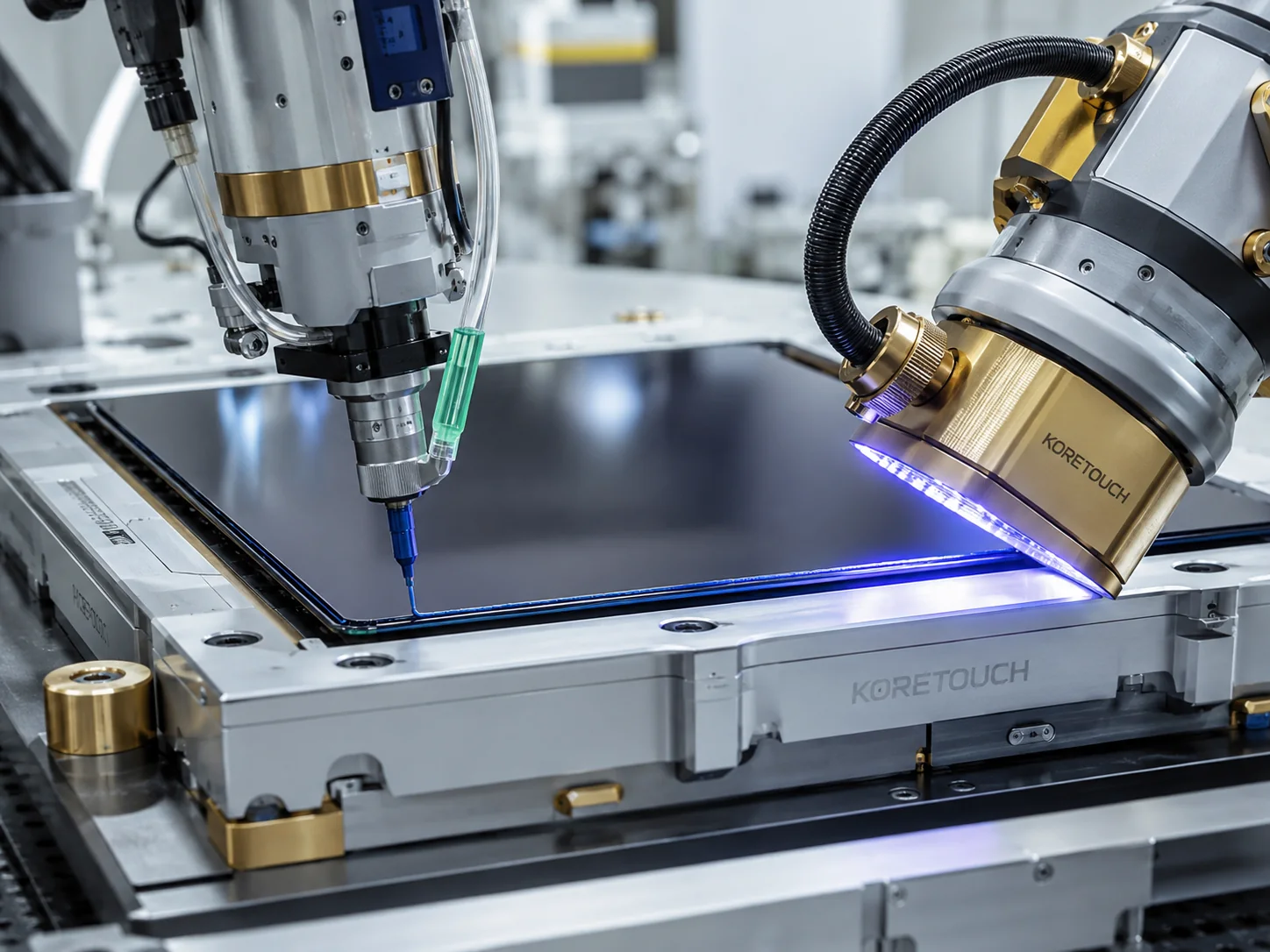
UV Adhesive Edge Sealing
UV adhesive is precisely applied along all four edges of the LCD module and cured under UV light to form a continuous edge sealing barrier.
-
Step 3
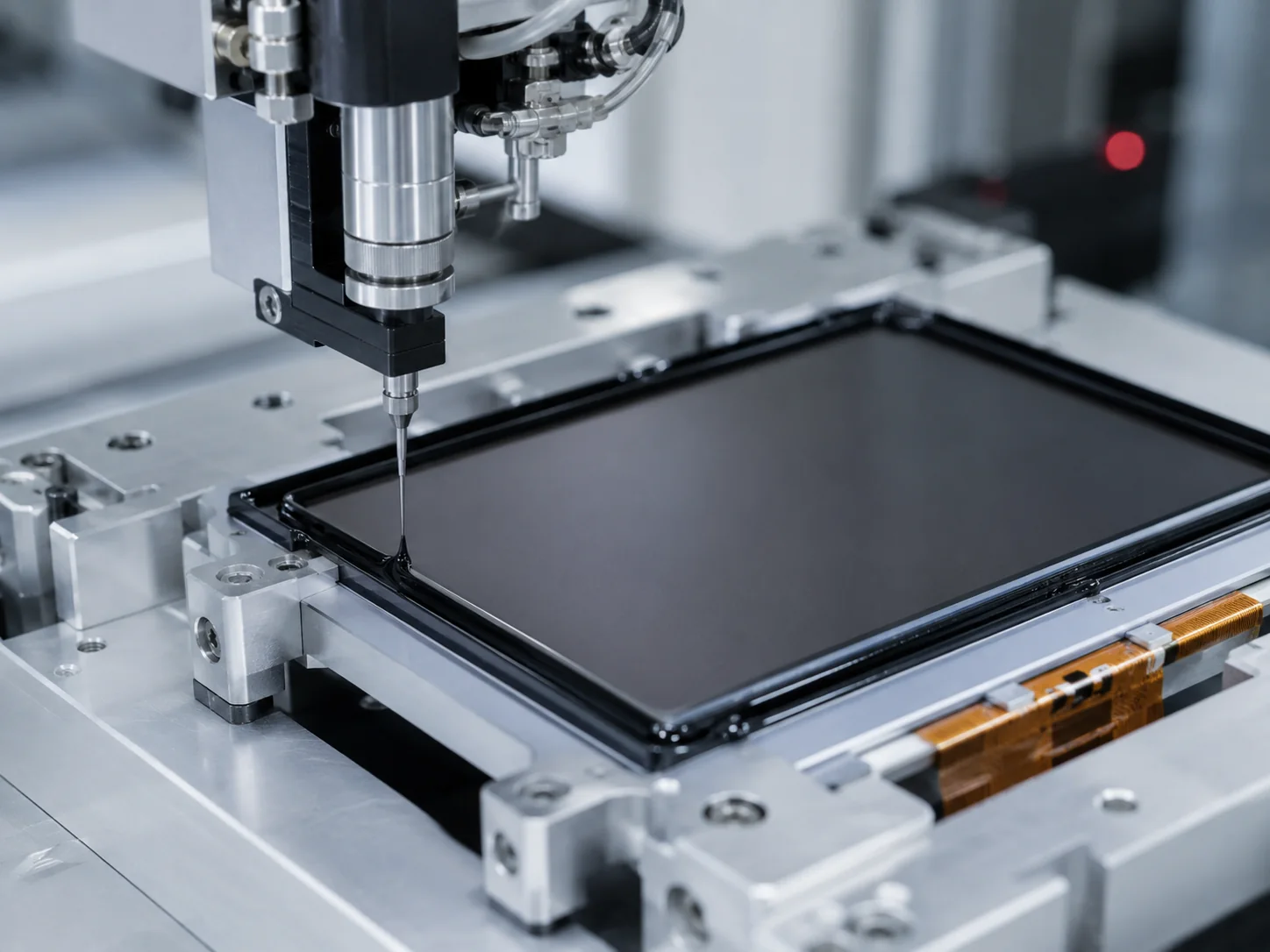
LCM Sealing Dam
Precise application of black adhesive around the LCD edges. This dam acts as a barrier to contain the injected sealant and prevent leakage.
-
 Step 4
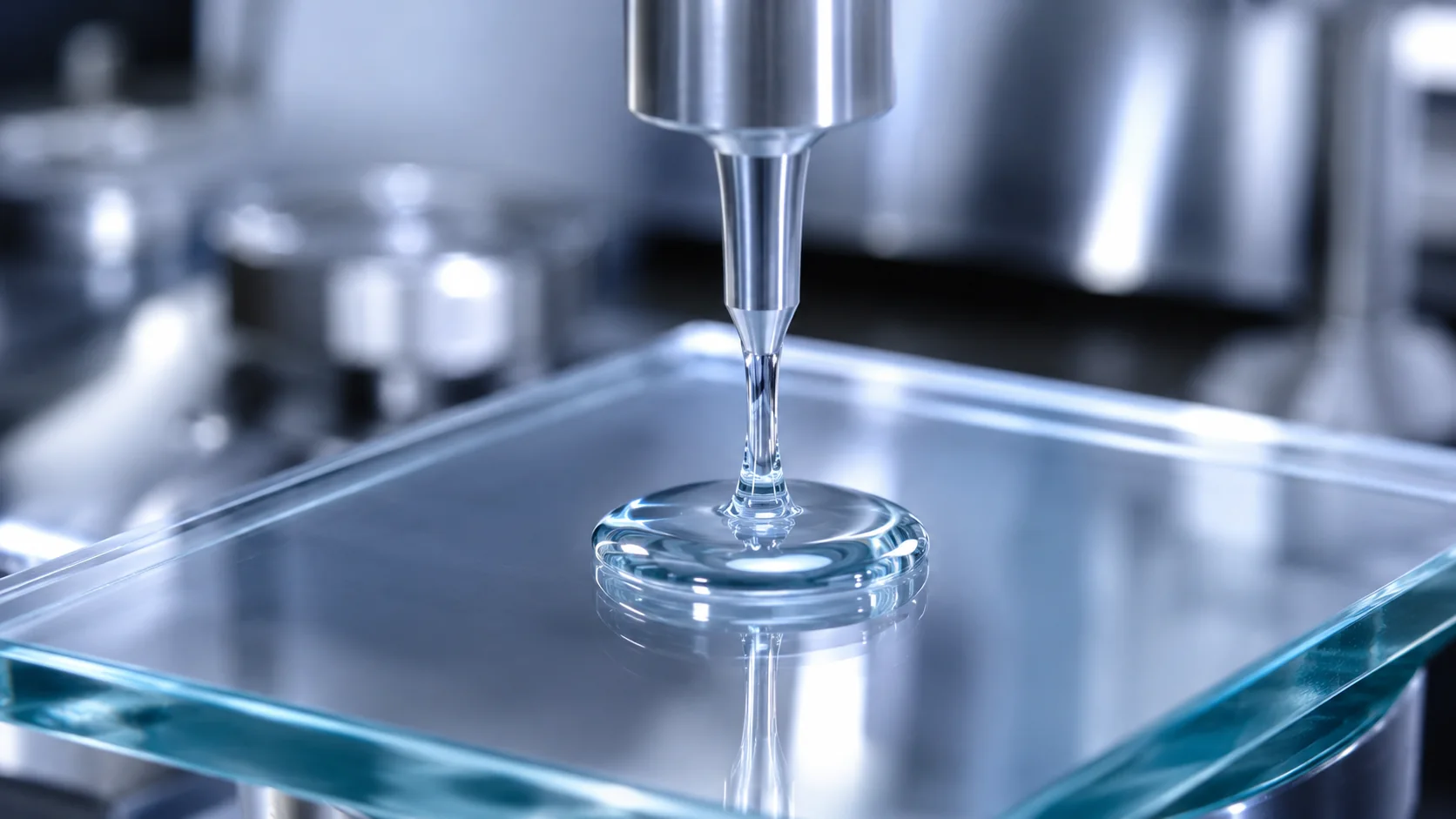
Inject Wacker Sealant
The high-performance, low-viscosity Wacker (Germany) silicone sealant is injected, ensuring it flows evenly without air traps or bubbles.
-
Step 5
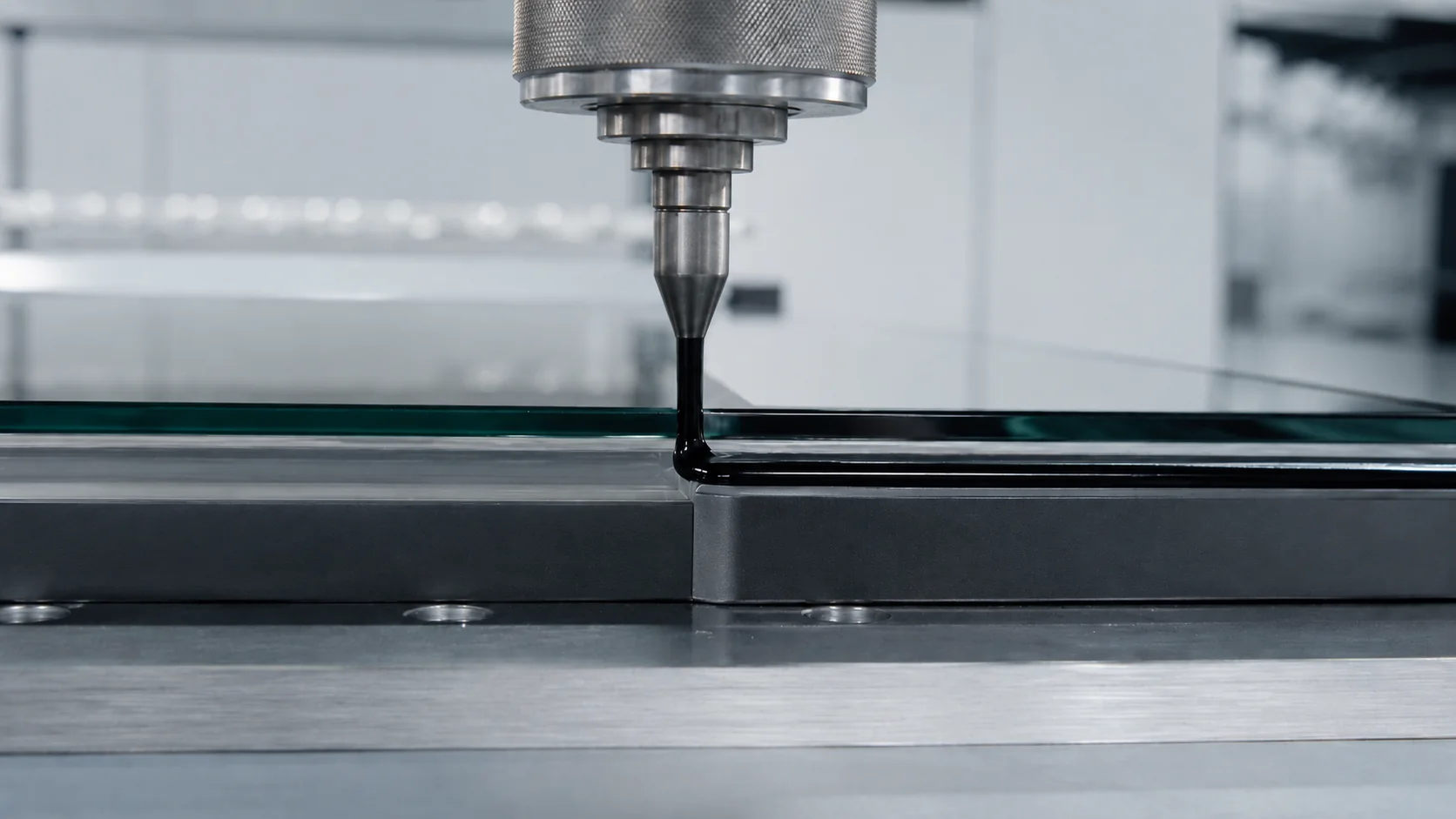
Seal Edges with Black Adhesive
Application of black UV adhesive around the combined glass stack. This provides structural reinforcement and enhanced waterproof sealing.
-
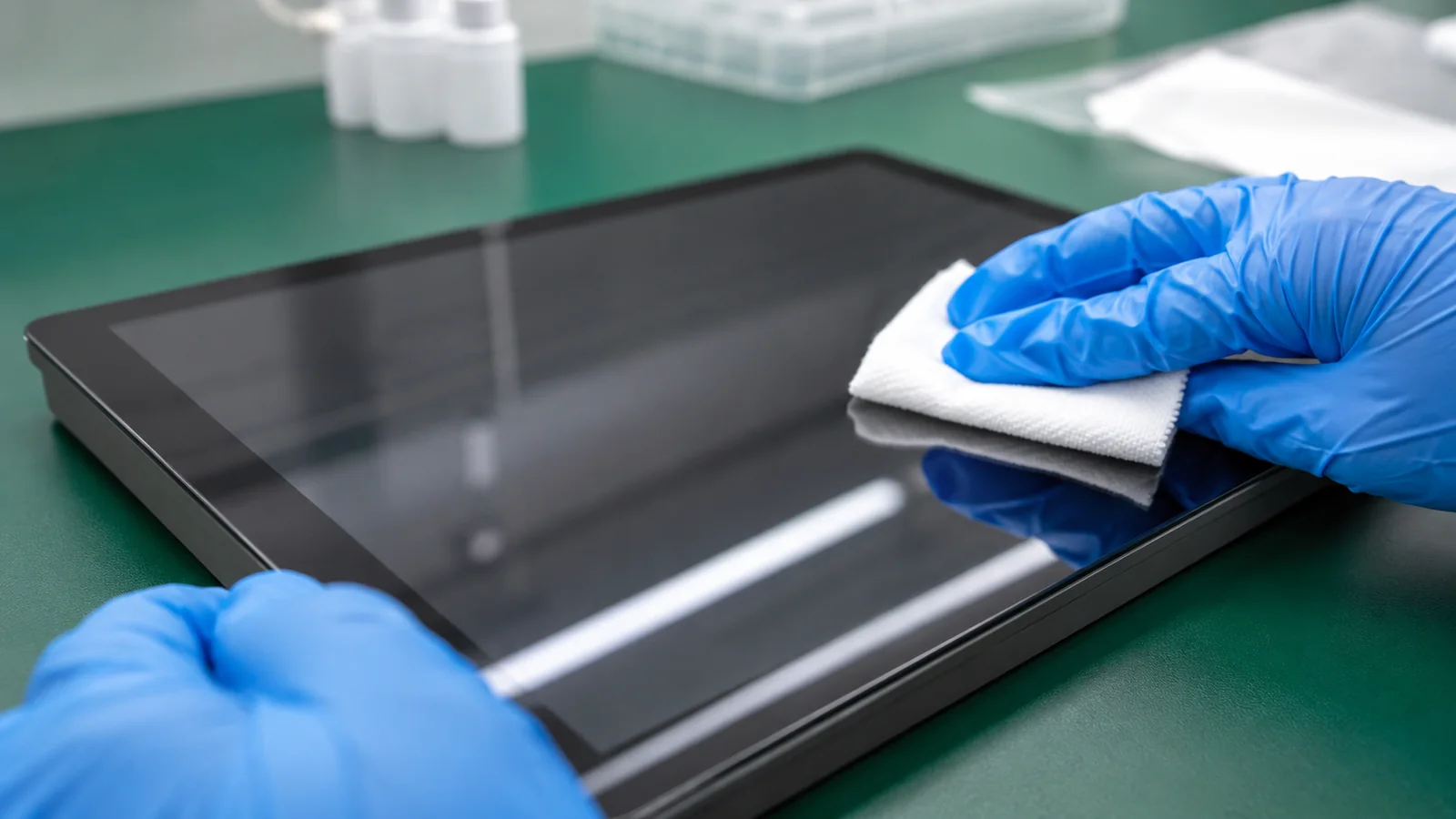 Step 6
Clean Residual Adhesive
Comprehensive cleaning of the external screen surfaces using alcohol to eliminate any residue and ensure cosmetic perfection.
-
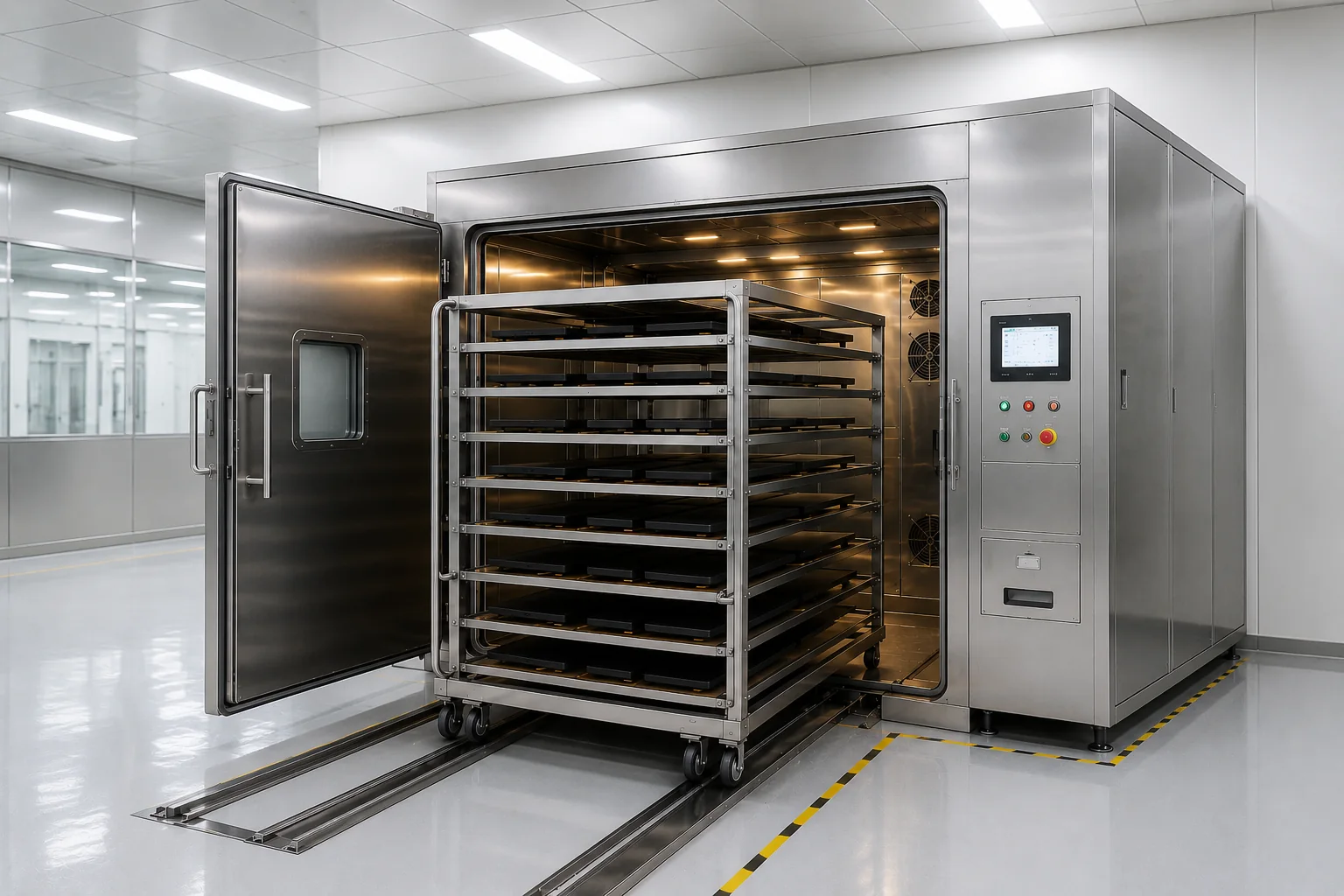
Step 7
Accelerate Curing via Baking
Exposure to controlled thermal environment (60°C for 50 minutes) to promote rapid, complete, and low-stress solidification of the entire adhesive stack.
-
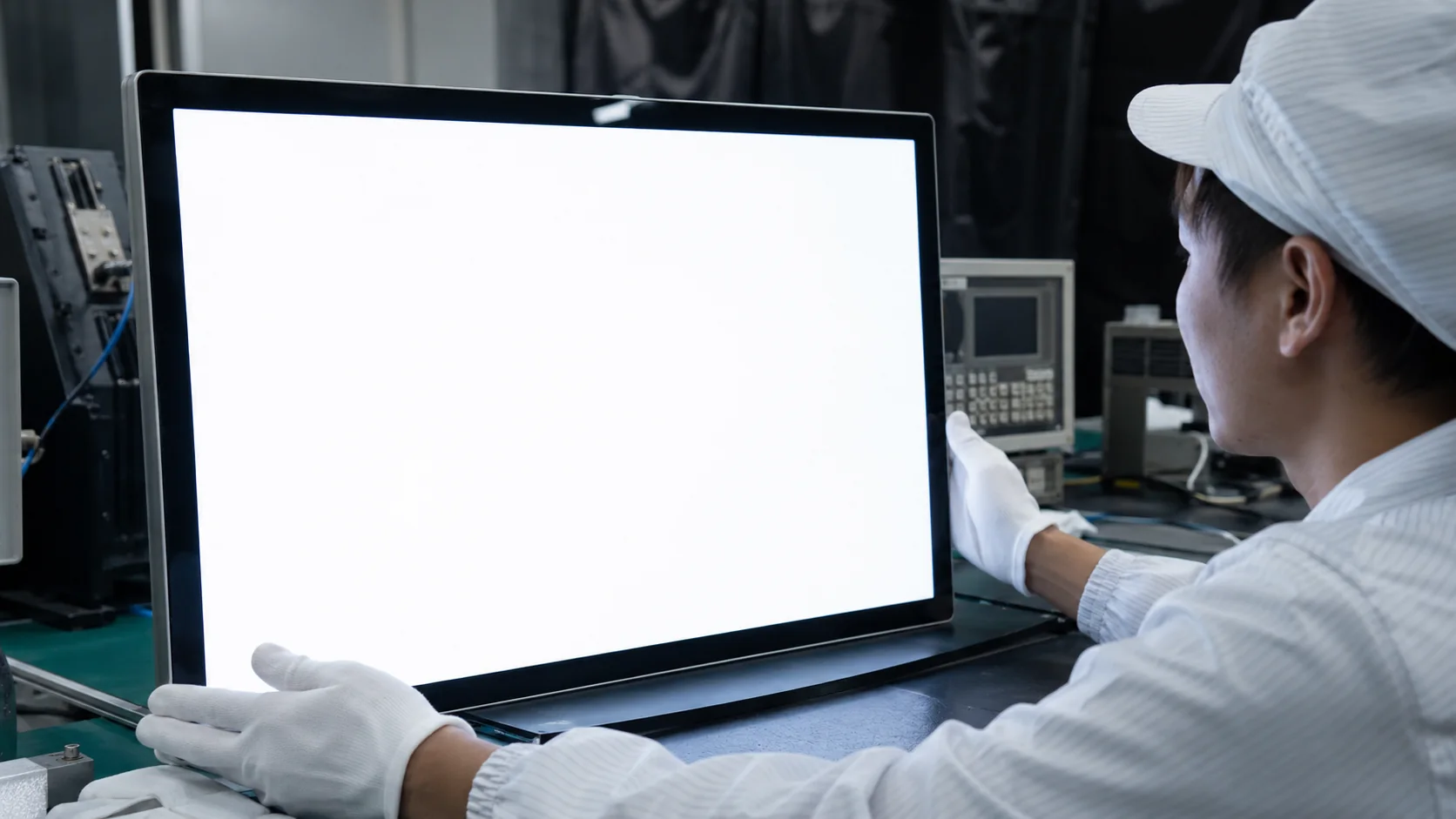 Step 8
QC Testing
Full optical verification of the finished unit. Check for particulates, alignment, surface scratches, dead pixels, or dark spots under varied color background tests.
Performance Validation
Data-driven comparison: standard air bonding versus sealing-dam optical bonding with WACKER LOCA.
| Performance metric | Standard air bonding | Sealing-dam optical bonding |
|---|---|---|
| Reflectivity | ~4.0% – 8.0% | < 0.2% |
| Sunlight contrast | Significant washout | Excellent — sharp and legible |
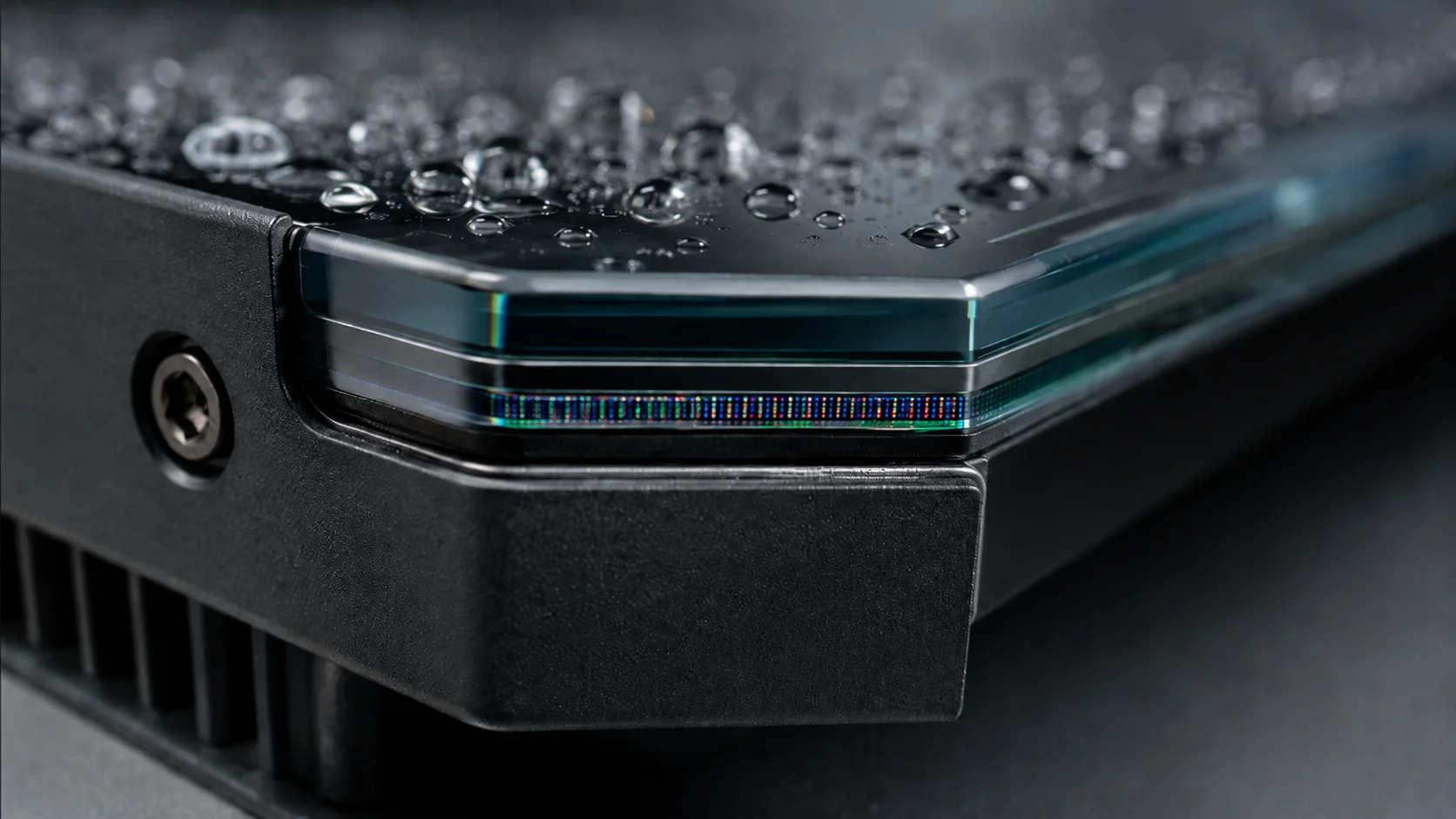
| Moisture / fogging | High risk | Physically eliminated |
| Yellowing resistance | Acrylic: poor | Silicone: excellent (WACKER) |
| Structural integrity | Standard | Enhanced — shock-absorbing stack |
Field performance
Practical Reliability
- Condensation prevention: Eliminating the air gap removes the possibility of internal fogging in humid or fluctuating temperature zones.
- Shock & vibration resistance: The cured WACKER silicone acts as a shock-absorber, protecting the LCD from mechanical stress and increasing the overall IK impact rating.
- Thermal dissipation: LOCA provides superior heat conductivity compared to air, allowing heat generated by the LCD to dissipate through the front glass.
By vertical
Sector Applications
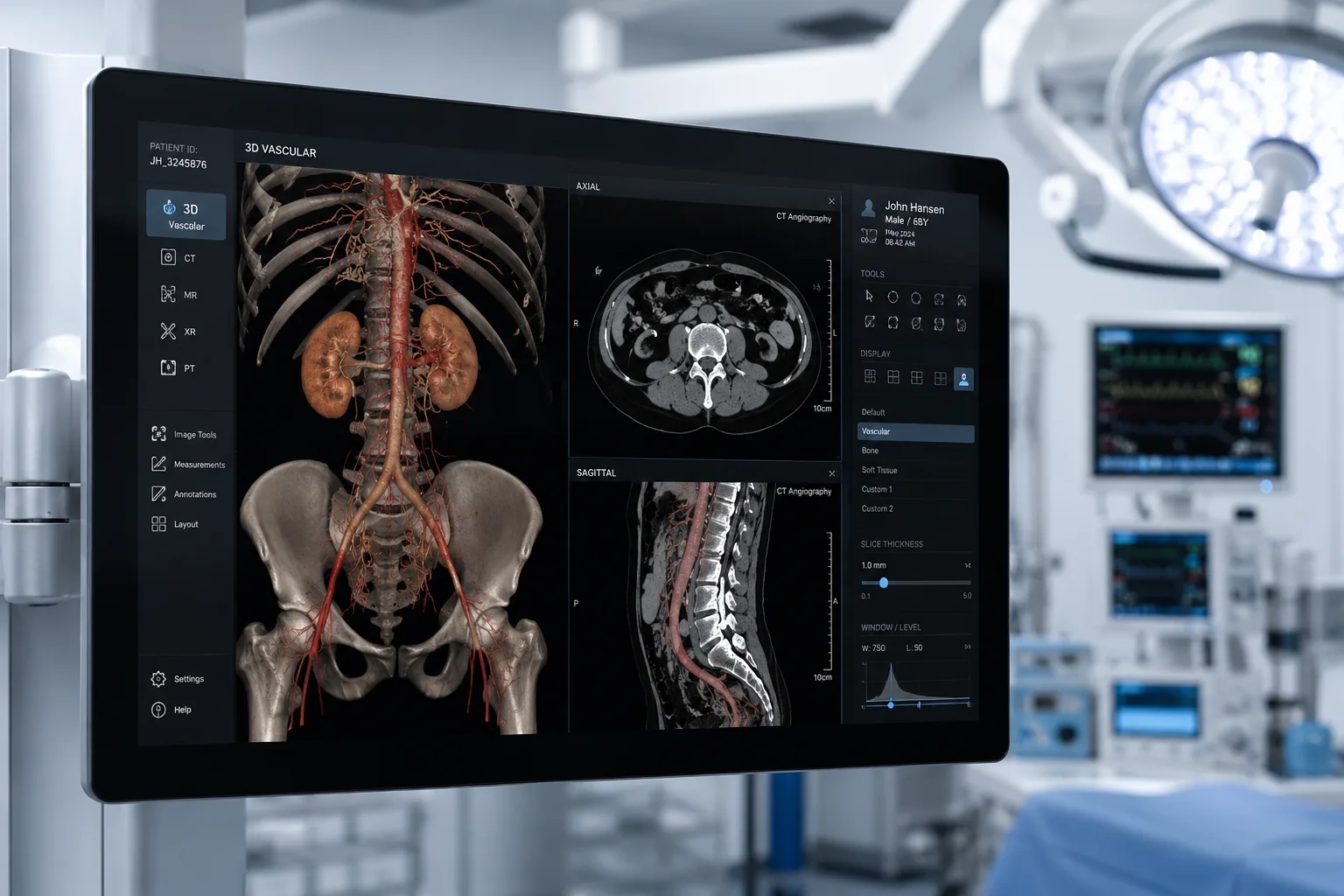
Medical & Healthcare
Diagnostic-grade clarity with a seamless surface compatible with hospital-grade chemical sterilization.
View solution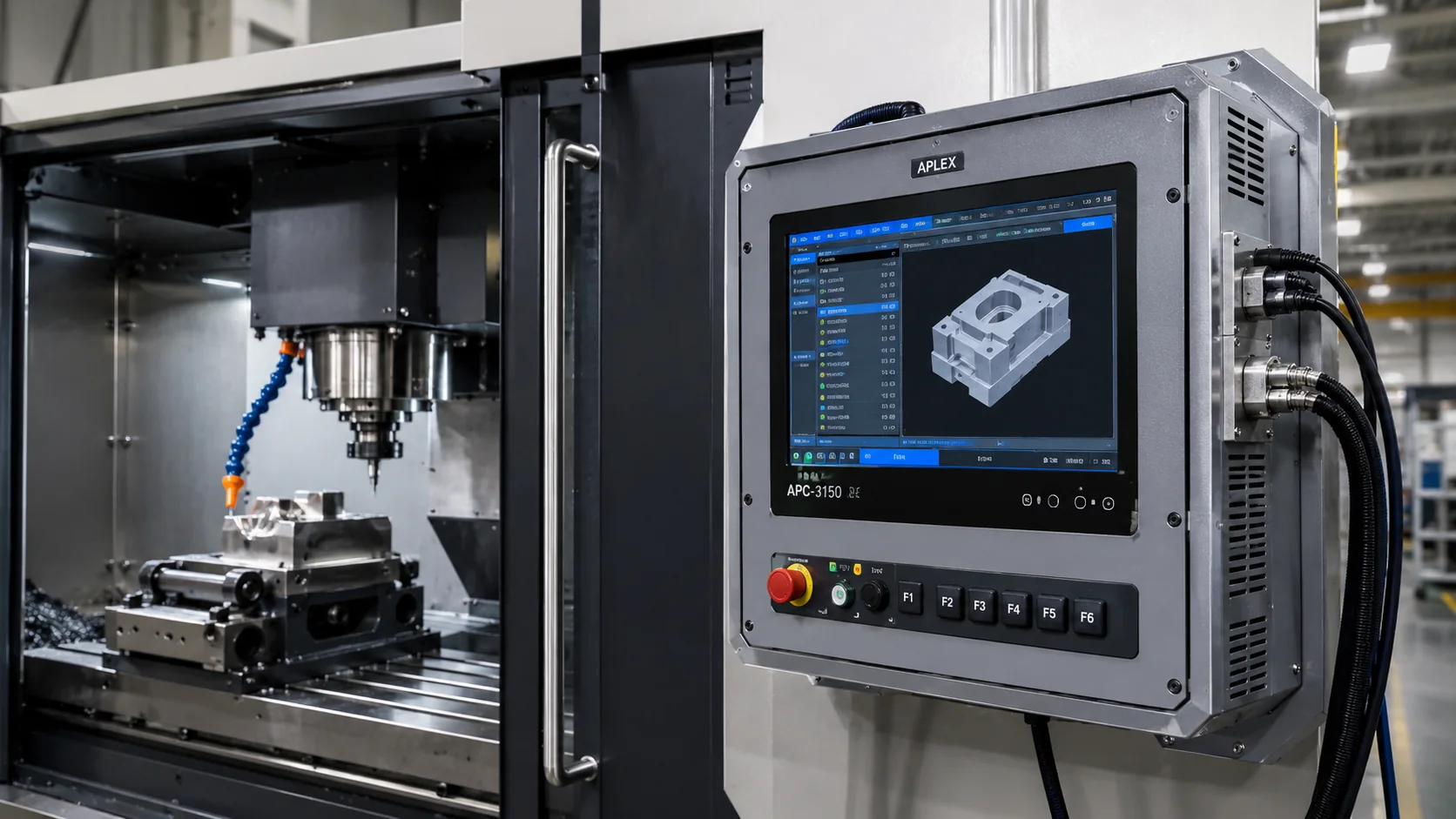
Industrial HMI
Stability alongside heavy machinery with high-frequency vibrations and airborne contaminants.
View solution
Outdoor Infrastructure
Superior readability for kiosks and terminals exposed to direct, intense solar radiation.
View solution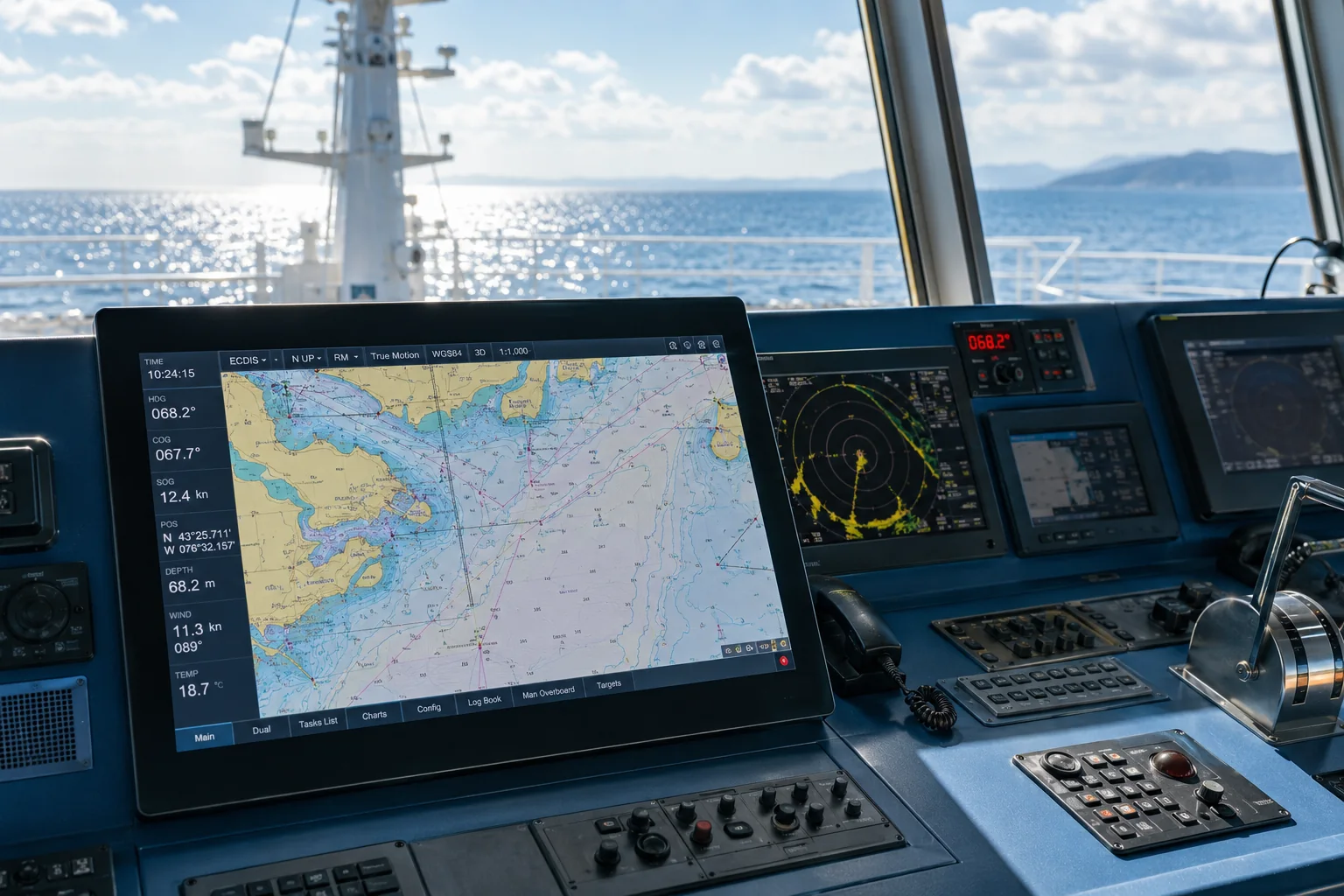
Aviation & Marine
Reliable performance in environments with extreme pressure changes and salt-mist exposure.
View solution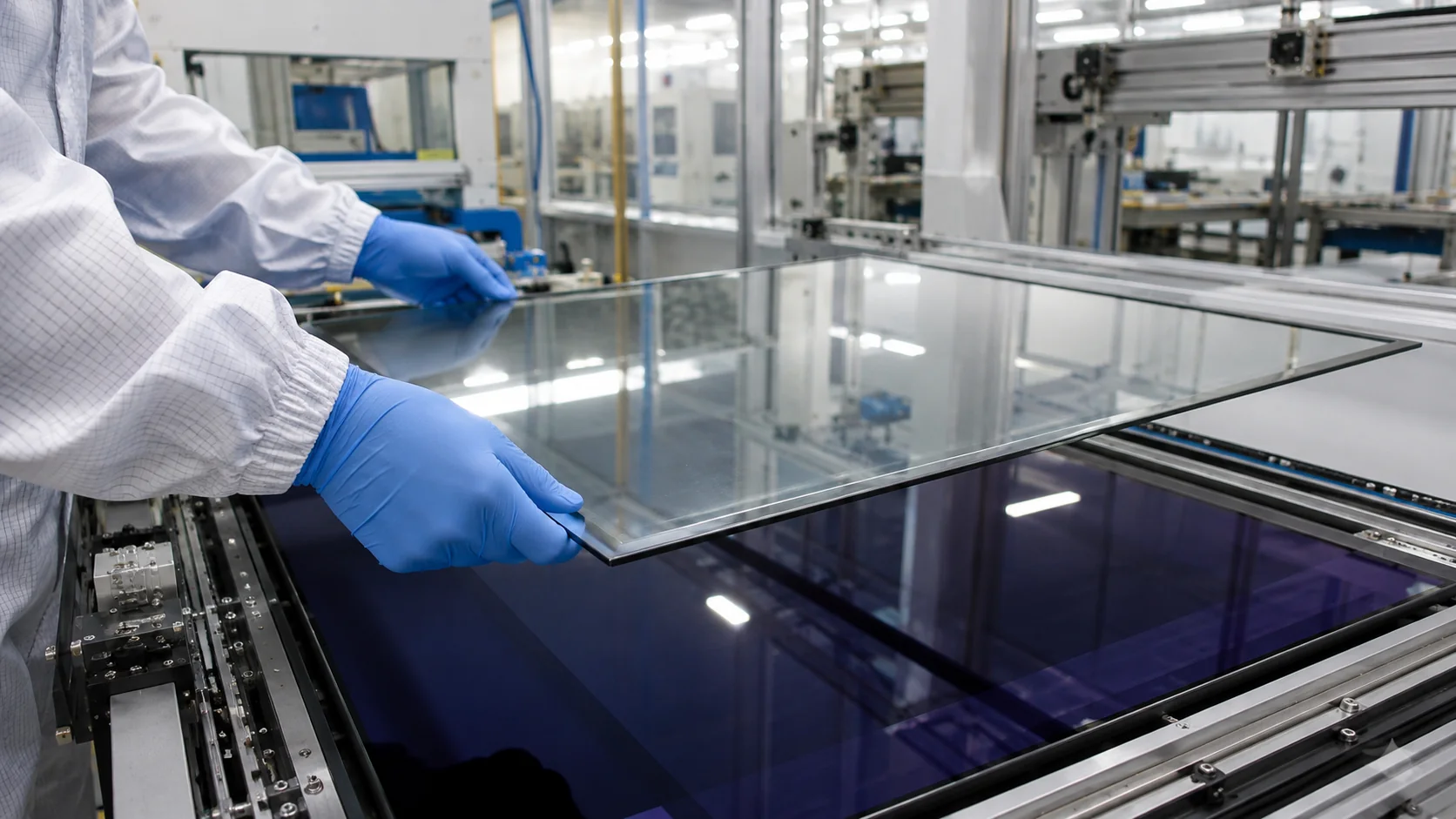
Engineering support
Technical Consultation & Customization
From 5" to 86", our engineering team provides end-to-end support for custom touch sensor integration, optical filter lamination, and structural housing design.