Engineering Excellence
Fanless vs. Fan-Cooled Industrial Computers: How to Choose
Structural design, thermal performance, environmental fit, and maintenance cost—so you can match IPC cooling to your real deployment.
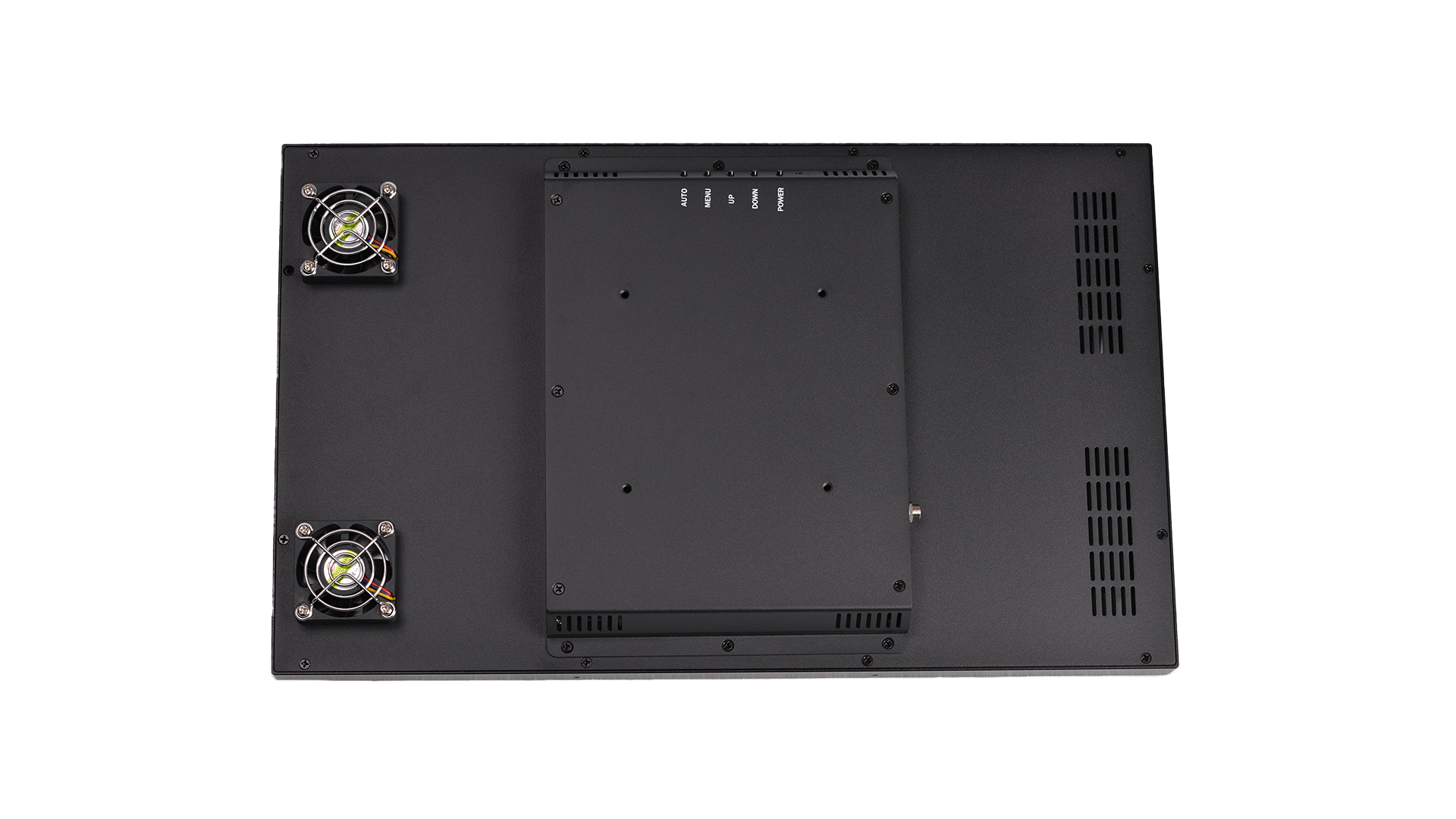
In industrial automation, smart manufacturing, rail transit, and energy applications, one of the first IPC selection questions is: fanless or fan-cooled?
Each cooling approach has strengths and trade-offs for different environments and workloads.
What Is a Fanless Industrial Computer?
No active fan—heat moves through an aluminum chassis and heat sink into ambient air.
- No moving parts → lower failure rate
- Excellent sealing / dust-moisture resistance
- Virtually silent
- Compact, rugged structure
What Is a Fan-Cooled Industrial Computer?
Active fans force airflow to remove heat under high processing loads, often with removable filters.
- Higher cooling efficiency for powerful CPUs/GPUs
- Better expandability
- Needs periodic filter/fan cleaning
- Some operating noise
Performance and Thermal Comparison
| Comparison | Fanless | Fan-cooled |
|---|---|---|
| Cooling | Passive aluminum chassis | Active forced convection |
| Power / GPU | Low-to-mid | Mid-to-high / discrete GPU |
| Ingress | Excellent, up to IP65 | Weaker; needs cleaning |
| Noise / failure | Silent / low | Some noise / fan wear |
| Ideal use | Harsh, dusty, humid, vibrating sites | Controlled rooms, high compute |
How to Choose Based on Your Application
- Harsh environment? Prefer fanless sealed designs.
- High compute (vision/AI/video)? Prefer fan-cooled thermal headroom.
- Maintenance-free / unattended? Fanless wins.
- Noise-sensitive sites? Fanless silent operation helps.
Work with KoreTouch
Explore Industrial All-in-One PCs. Contact us at sales@koretouch.com.