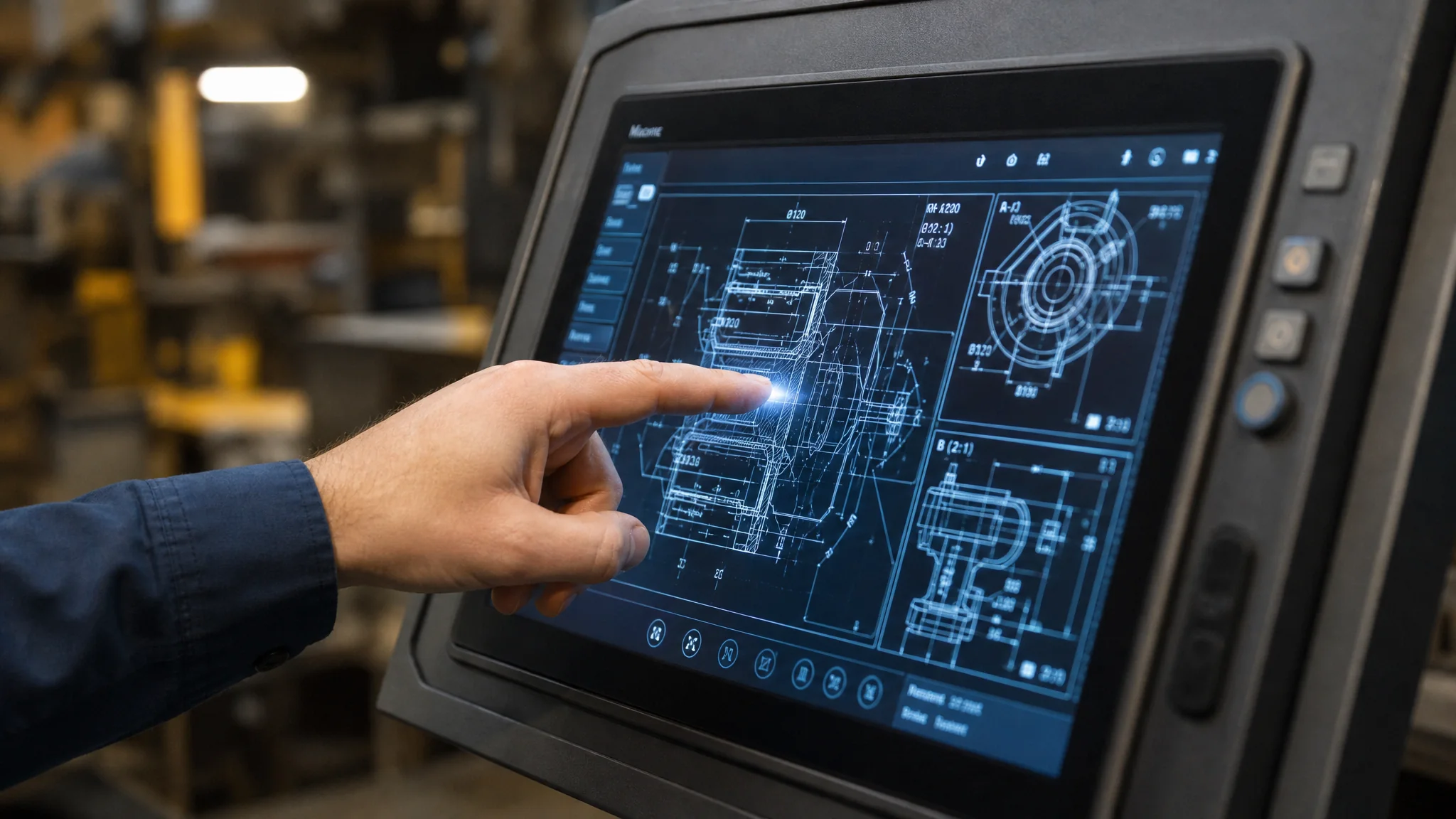
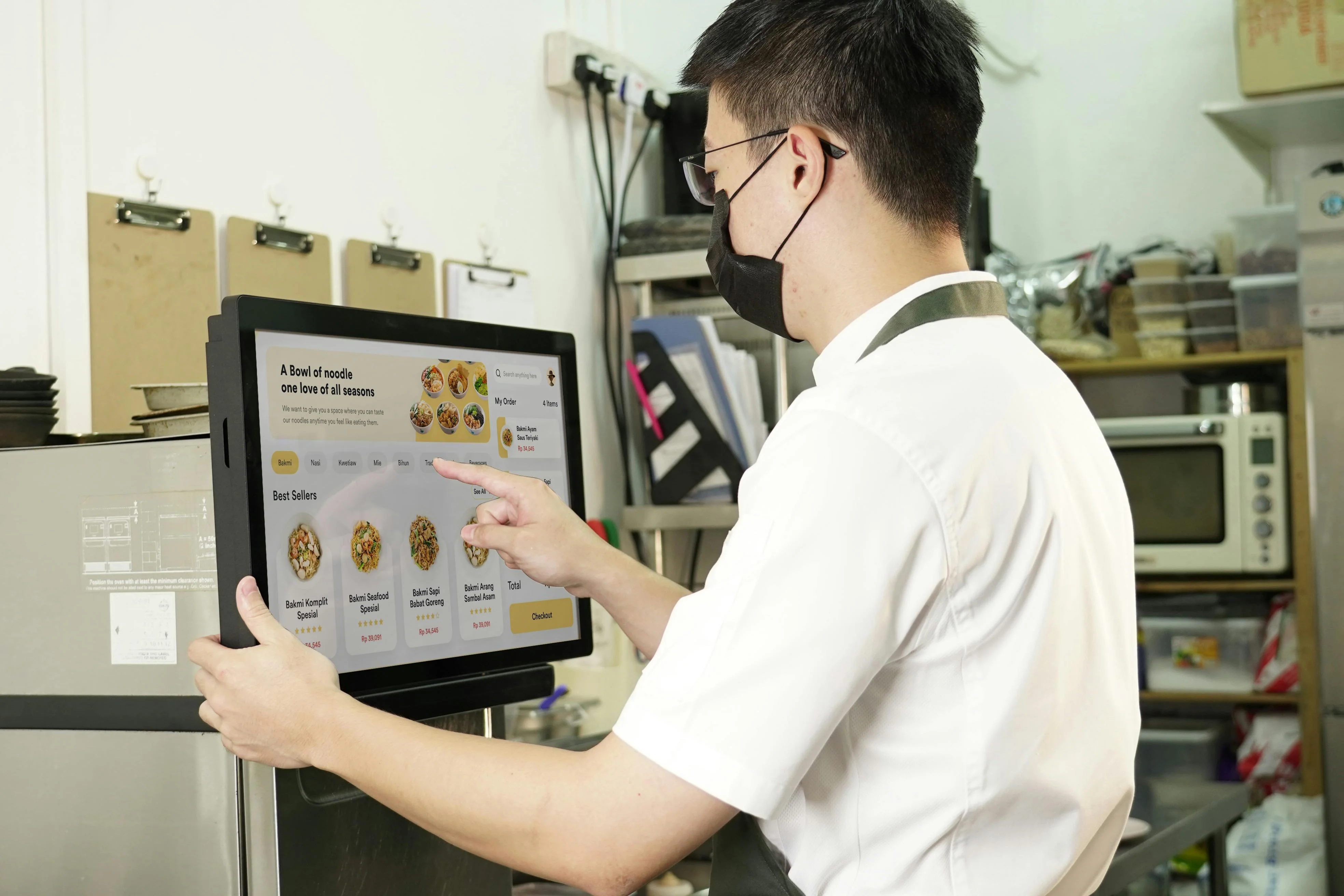
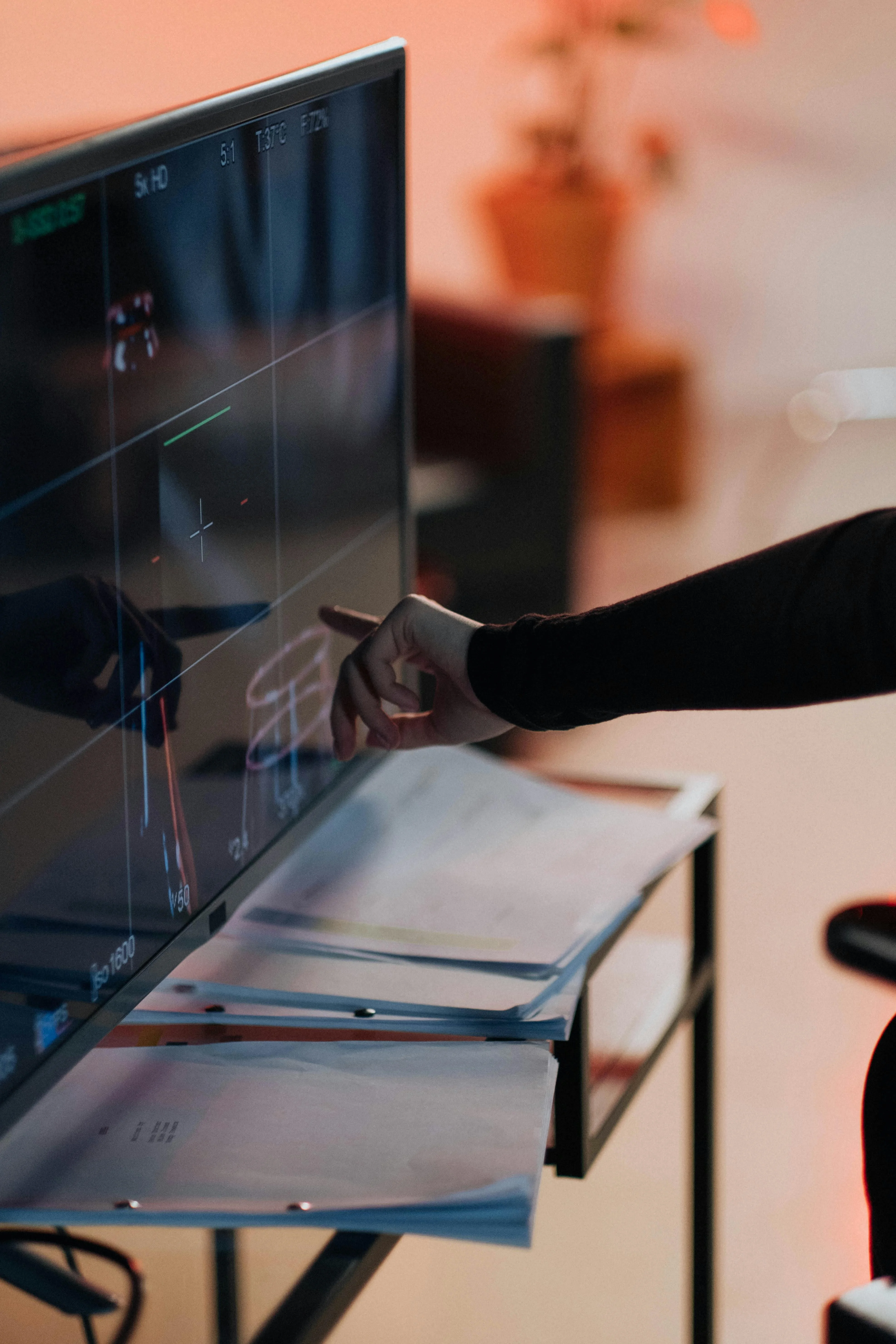
In applications such as heavy-duty CNC machinery, field exploration terminals, and power control stations, the display system serves as
both a user interface and a functional structural component. Unlike standard commercial environments, industrial sites are characterized
by persistent mechanical vibration, wide temperature fluctuations, and potential physical impact. Under these conditions, the structural
rigidity and internal mounting methods of commercial monitors are often insufficient to withstand long-term mechanical stress, which can
lead to structural deformation or electrical connection failures.
The requirements for an HMI in industrial fields focus on structural reliability and electrical stability. For instance, when integrated into
machinery with high-frequency vibration, the display module must demonstrate resistance to internal component displacement. Similarly, in
outdoor or non-temperature-controlled environments, components must maintain parametric consistency across a wide operational temperature
range. This level of physical durability is essential for ensuring the operational lifecycle of industrial systems and reducing long-term
maintenance costs.